

Cellular Concrete
The ideal material for building sustainable monolithic dome homes
Cellular concrete is an innovative construction material that has become a benchmark in modern and sustainable architecture. At SOLDOMO, we use it as the primary material for building monolithic dome homes, thanks to its light weight, outstanding thermal performance, durability, and safety.
This construction system meets today’s requirements for energy efficiency, indoor comfort, and environmental responsibility, both for single-family homes and high-end architectural projects.
What is Cellular Concrete?
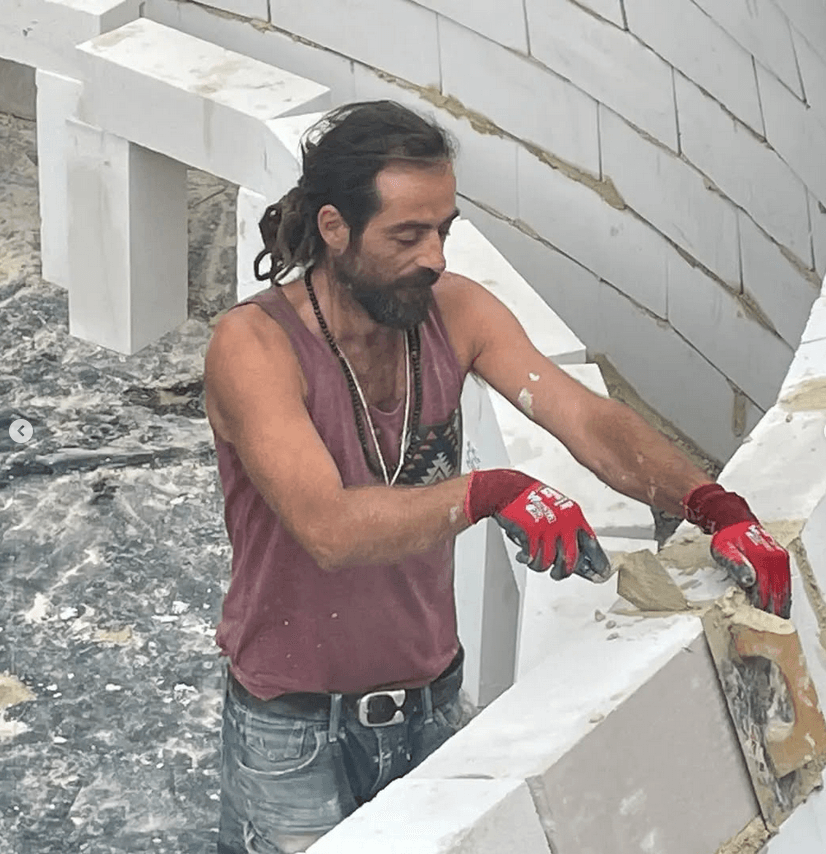
Cellular concrete is a material composed of cement, lime, sand, water, and air. Its internal structure consists of millions of evenly distributed microscopic air bubbles.
This porous structure gives it unique technical properties:
- Low density and exceptional lightness
- Excellent thermal and acoustic insulation
- High mechanical strength
- Non-combustible behavior and fire resistance
For these reasons, cellular concrete is widely used in sustainable construction, bioclimatic architecture, and innovative building systems such as monolithic domes.
Composition and Manufacturing Process of Cellular Concrete
Cellular Concrete Ingredients
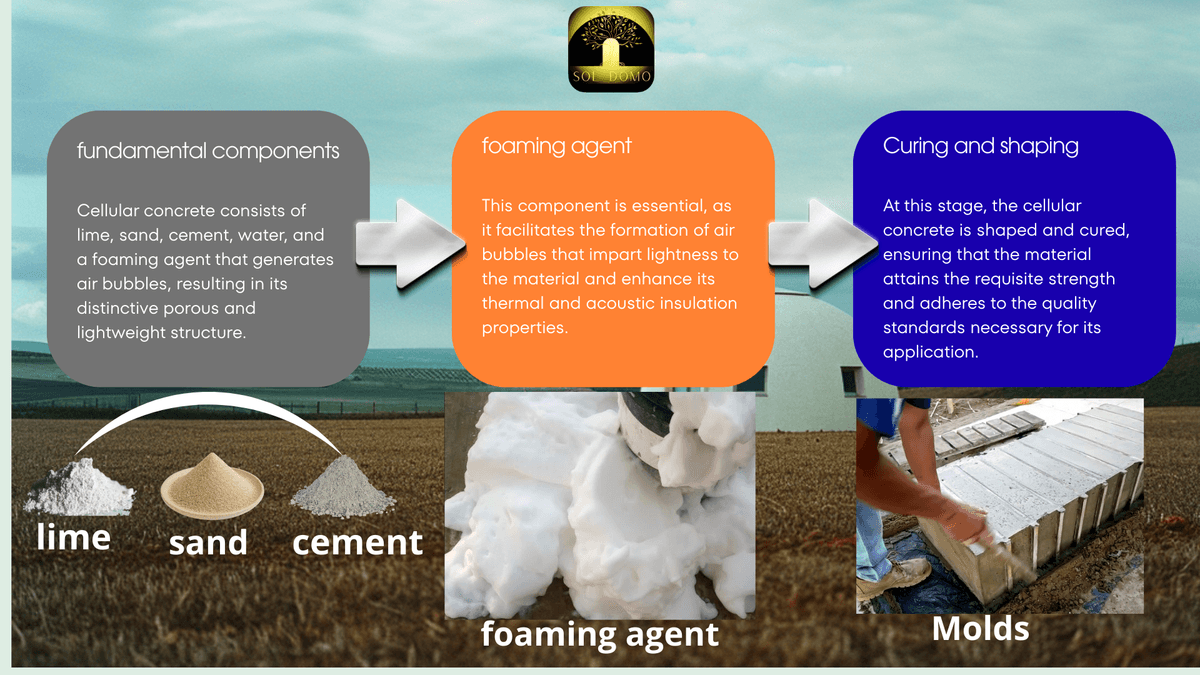
Cellular concrete is manufactured using:
- Cement
- Lime
- Sand
- Water
- Foaming agent
The foaming agent is essential, as it creates the air bubbles responsible for the material’s lightness and high thermal and acoustic insulation performance.
Autoclave Curing Process
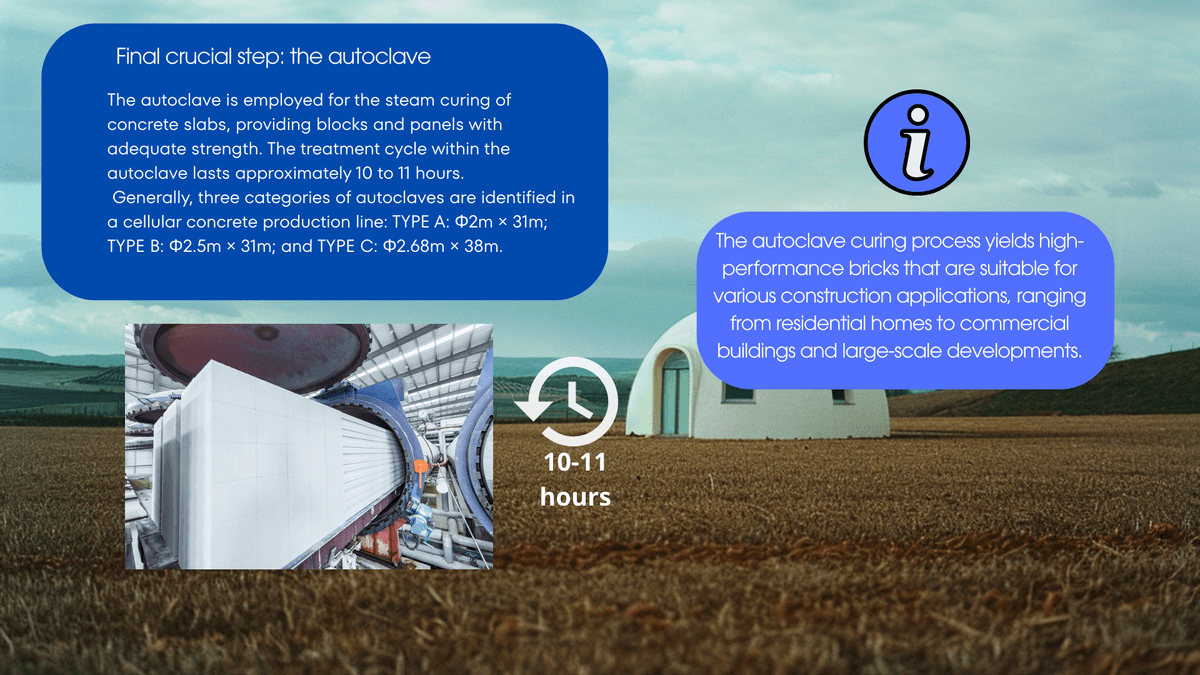
After molding, the material undergoes an autoclave curing process, using high-pressure steam at elevated temperatures for approximately 10 to 11 hours.
This process:
- Increases structural strength
- Ensures dimensional stability
- Enhances long-term durability
The result is high-performance cellular concrete blocks, suitable for residential buildings, commercial structures, and specialized constructions such as domes.
Cellular Concrete and Compliance with European Standards
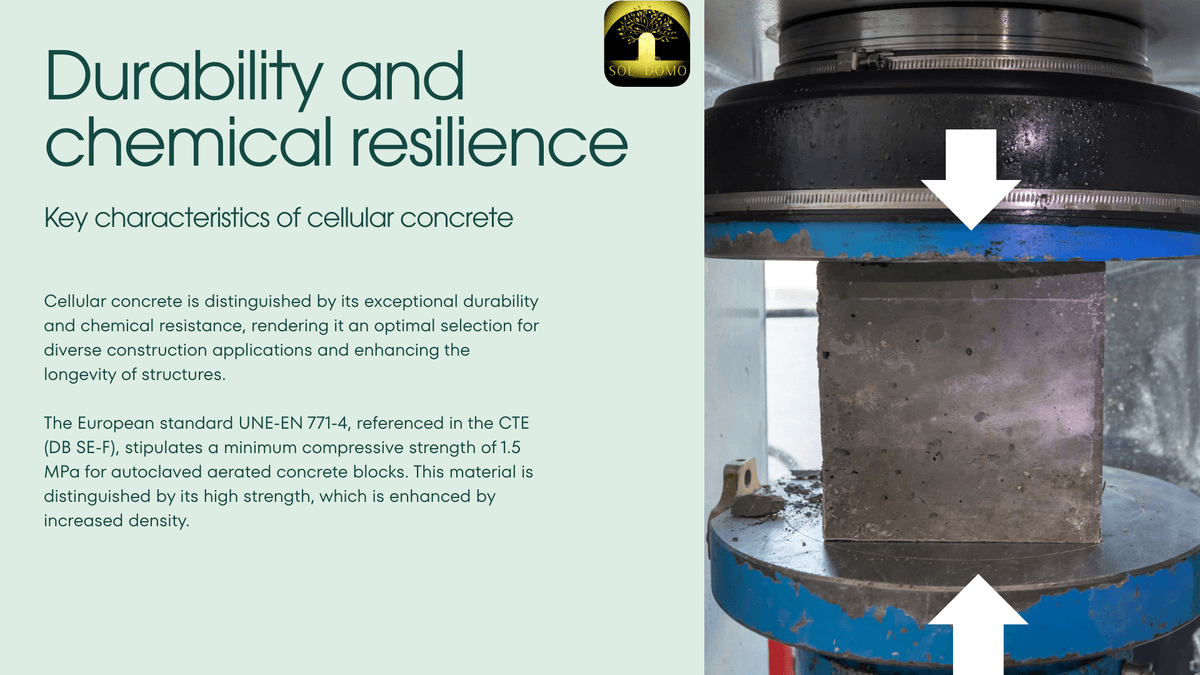
The cellular concrete blocks used by SOLDOMO strictly comply with European regulations, particularly UNE-EN 771-4, as referenced in the Spanish Building Technical Code (CTE – DB SE-F).
These controls guarantee:
- Minimum compressive strength of 1.5 MPa
- Consistent material quality
- Certified structural safety
Cellular concrete is therefore a reliable material for architects, engineers, and self-builders alike.
Advantages of Cellular Concrete for Dome Construction
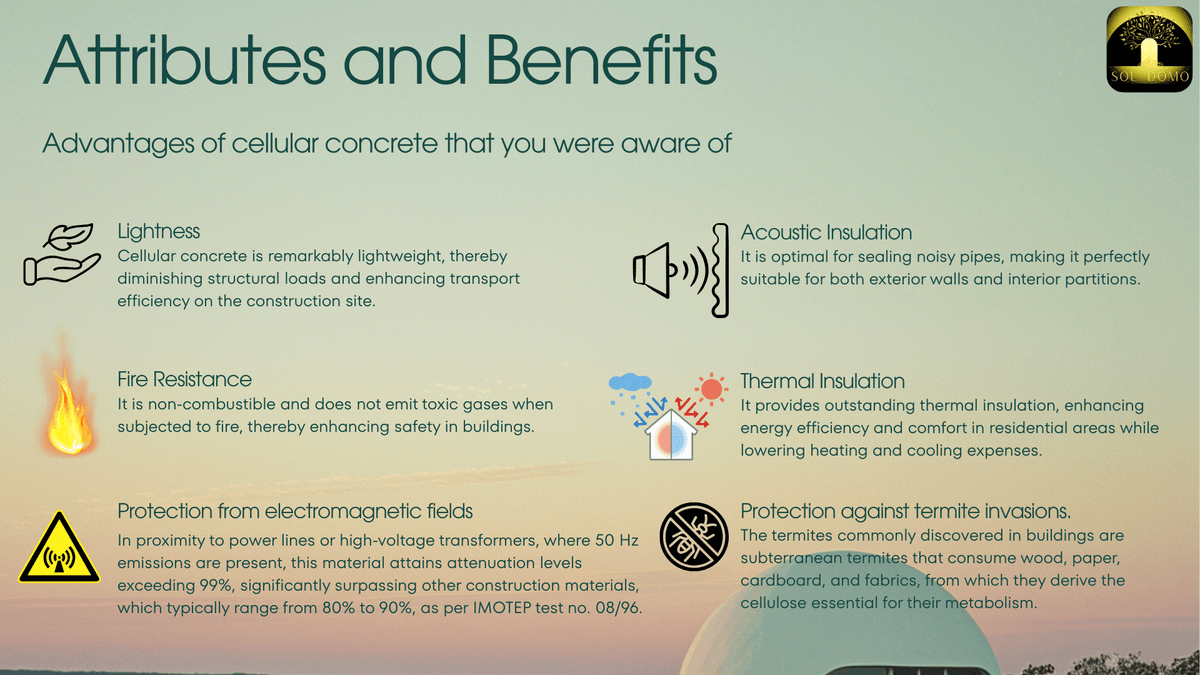
Structural Lightness
Cellular concrete is extremely lightweight, allowing:
- Reduced structural loads
- Optimized foundations
- Easier transportation and on-site installation
High-Performance Thermal Insulation
Thanks to its porous structure, cellular concrete provides integrated thermal insulation, reducing:
- Energy consumption
- Heating and cooling costs
- Thermal bridges
This results in energy-efficient, comfortable homes all year round.
Acoustic Insulation
The material effectively absorbs sound, making it ideal for:
- Exterior walls
- Interior partitions
- Enclosure of noisy installations
It significantly improves indoor acoustic comfort.
Fire Resistance
Cellular concrete is non-combustible:
- Does not spread fire
- Does not emit toxic gases
- Enhances occupant safety
A Healthy and Safe Material for Monolithic Dome Homes
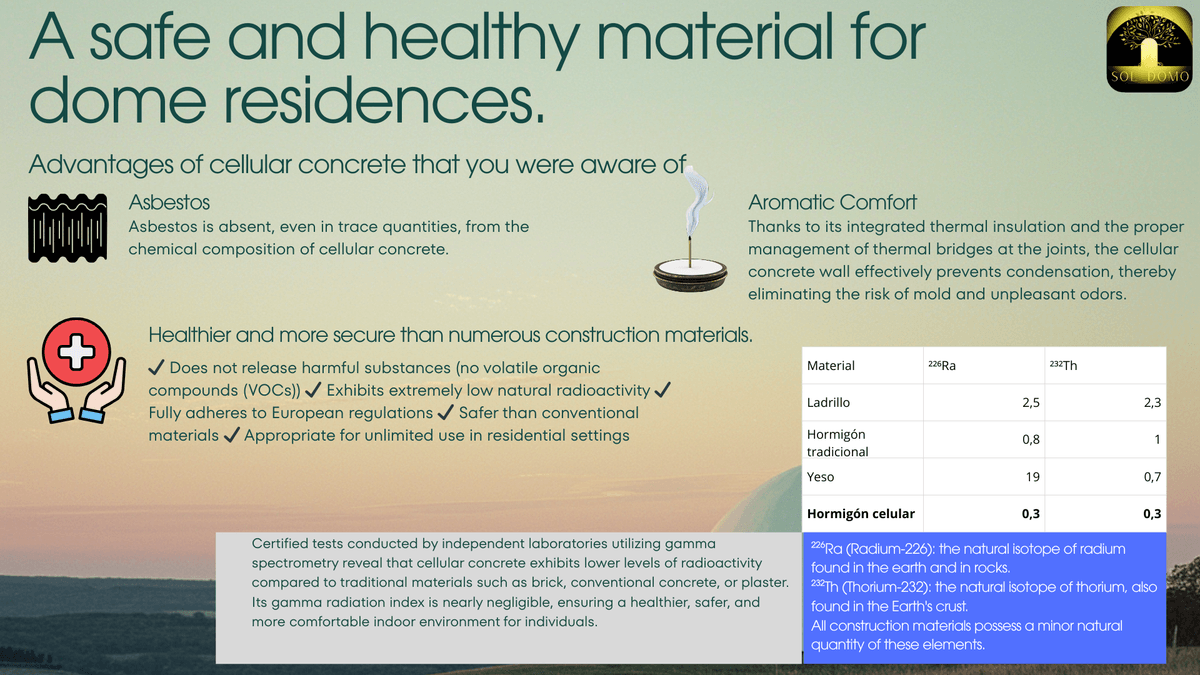
Cellular concrete is asbestos-free, even in trace amounts, and does not emit volatile organic compounds (VOCs).
Very Low Natural Radioactivity
Certified tests show that cellular concrete has extremely low levels of natural radioactivity—lower than those of:
- Traditional brick
- Conventional concrete
- Plaster
The values of Radium-226 (²²⁶Ra) and Thorium-232 (²³²Th) are well below European limits, ensuring a healthy and safe indoor environment.
Protection Against Termites and Mold
No cellulose content → does not attract termites
Subterranean termites feed on materials containing cellulose, such as wood, paper, or cardboard. Cellular concrete contains none of these components.Prevents condensation → avoids mold and unpleasant odors
Durability, Sustainability, and Low Environmental Impact
Cellular concrete stands out for its:
- High durability
- Chemical resistance
- Long service life
In addition, its manufacturing process and excellent thermal insulation help to:
- Reduce the building’s carbon footprint
- Lower overall energy consumption
- Promote more sustainable construction practices
Its ease of cutting and handling also shortens construction times and reduces waste.
Applications of Cellular Concrete
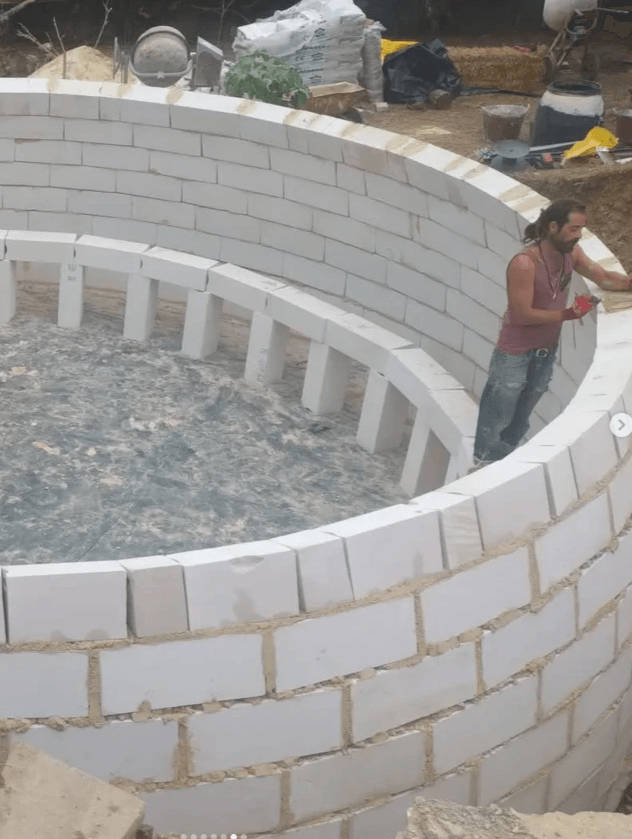
Cellular concrete is ideal for:
- Load-bearing walls
- Exterior enclosures
- Integrated thermal insulation
- Prefabricated elements
- Monolithic dome construction
It is a versatile and efficient solution for contemporary architecture, including our monolithic dome homes.
Why Choose Cellular Concrete for Your Dome Home Project?
Choosing cellular concrete means investing in:
- Thermal and acoustic comfort
- Safety and health
- Energy efficiency
- Sustainable construction
- Architectural innovation
At SOLDOMO, we use cellular concrete to create high-performance monolithic domes, designed to last, enhance well-being, and meet the most demanding standards in the construction industry.
